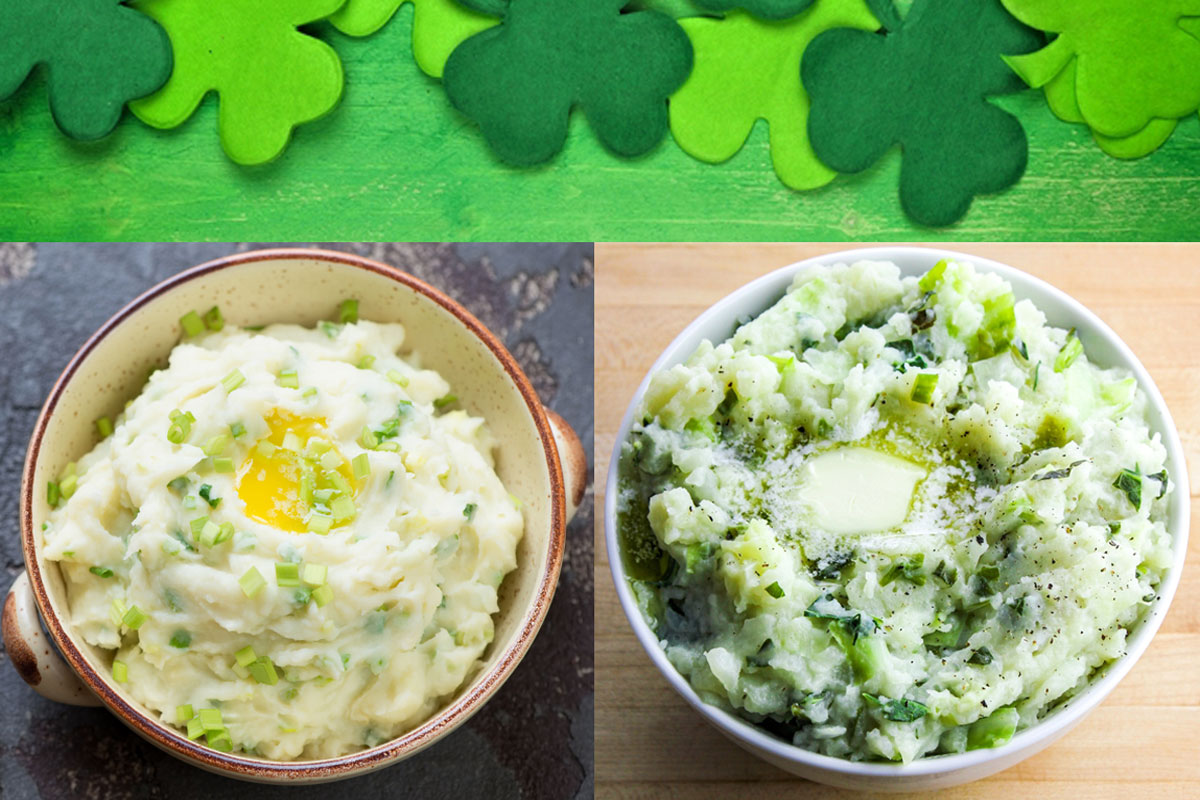
Colcannon vs. Champ: Unraveling Ireland's Mashed Potato Masterpieces
Ireland, a land rich in culinary tradition, offers a trove of comforting and hearty dishes that have nourished generations. Among its most beloved contributions to the global table are two distinct yet equally celebrated mashed potato creations: Colcannon and Champ. Both embody the soul of Irish home cooking, transforming humble potatoes into something truly extraordinary. While their creamy, buttery appeal might seem similar at first glance, a closer look reveals unique characteristics that set them apart. This article delves into the nuances of these classic dishes, with a special focus on the delightful Irish Colcannon with Kale, guiding you through their origins, ingredients, and the subtle differences that make each a culinary treasure.
Colcannon: The Hearty Green Mash
Colcannon is arguably the more famous of the two, a cornerstone of Irish cuisine particularly associated with autumn harvests and festive occasions like St. Patrick's Day. At its core, Colcannon is a creamy, buttery mashed potato dish generously mixed with seasonal greens. Traditionally, this meant cabbage, but modern variations, especially the vibrant irish colcannon with kale, have become incredibly popular, offering a slightly more earthy and nutrient-rich twist.
The Allure of Irish Colcannon with Kale
When we talk about irish colcannon with kale, we're discussing a dish that elevates simple mashed potatoes to an art form. The process is straightforward yet yields incredibly satisfying results: fluffy mashed potatoes are combined with tender, sautéed kale, and then enriched with generous amounts of butter and often a splash of warm milk or cream. The kale, wilted to perfection, infuses the mash with a subtle bitterness and a beautiful dark green hue, contrasting wonderfully with the creamy white potato.
This version of Colcannon is a fantastic way to incorporate more greens into your diet without sacrificing flavor or comfort. The robust texture of kale holds up well against the potatoes, offering a satisfying chew that finely shredded cabbage might not. It’s a dish that feels both wholesome and indulgent – the perfect accompaniment to hearty stews, roasted meats like leg of lamb, or the quintessential Irish meal of corned beef and cabbage. If you've been searching for an exciting new way to enjoy mashed potatoes, or perhaps want to explore beyond the traditional cabbage, then Beyond Cabbage: Why Kale Makes the Best Irish Colcannon is a must-read, as it beautifully highlights the unique charm and benefits of this leafy green in the dish.
The Etymology of Colcannon
The name "Colcannon" itself holds a piece of Irish history. It's believed to be derived from the Irish term "cál ceannann," meaning 'white-headed cabbage.' This etymological link underscores the dish's deep roots with brassica family vegetables. The word "cál" (cabbage) connects to the Latin "caulis," which is also the root for many other greens like kale, colewort (an older term for non-heading brassicas), and collard greens. This linguistic heritage highlights how adaptable and seasonal Colcannon truly is, traditionally relying on whatever hardy greens were available, from cabbage to kale, and even sometimes wild sorrel or watercress.
Champ: The Scallion Sensation
While Colcannon showcases hearty greens, Champ offers a different, yet equally delicious, take on Irish mashed potatoes. Champ is characterized by its delightful simplicity, primarily featuring mashed potatoes invigorated by a generous amount of finely chopped spring onions (scallions) and often a good dollop of butter and warm milk. It’s a dish that speaks to fresh flavors and a lighter touch, though no less comforting.
The beauty of Champ lies in the crisp, peppery bite of the raw or lightly wilted spring onions, which lend a vibrant, oniony freshness that distinguishes it from the earthier Colcannon. Often served hot with a well of melted butter in the center, Champ is a versatile side dish that pairs wonderfully with everything from fried eggs and rashers for breakfast to grilled fish or sausages for dinner. It's a quick, easy, and incredibly flavorful way to enjoy potatoes.
Colcannon vs. Champ: The Key Differences
At their heart, both Colcannon and Champ are celebrations of the humble potato, but their defining differences lie in their choice of accompanying greens and the resulting flavor profiles:
- The Greens: This is the most significant distinction. Colcannon traditionally uses cooked greens like cabbage, kale, or leeks, which are sautéed until tender and then mixed into the mash. Champ, on the other hand, relies almost exclusively on raw or lightly wilted spring onions (scallions), providing a fresher, sharper onion flavor.
- Flavor Profile: Colcannon, particularly irish colcannon with kale, offers a deeper, earthier, and sometimes slightly bitter flavor profile from the cooked greens. It's rich and savory. Champ delivers a brighter, more pungent, and often milder oniony taste, with the fresh bite of scallions cutting through the creaminess of the potatoes.
- Texture: Colcannon often has a slightly chunkier or more fibrous texture due to the cooked kale or cabbage. Champ tends to be smoother, with just the small pieces of scallion offering a subtle textural contrast.
- Preparation: While both start with perfectly mashed potatoes, Colcannon involves an extra step of sautéing the greens. Champ often involves steeping the chopped scallions in warm milk before adding them to the potatoes, allowing their flavor to infuse.
Potato Perfection: The Foundation of Both Dishes
Despite their differences, the key to an outstanding Colcannon or Champ lies in starting with the right potatoes and preparing them correctly. Starchy potatoes are paramount for that desirable fluffy, light, and absorbent mash. Varieties like Maris Piper, King Edward, Russet, or Yukon Gold are excellent choices due to their high starch content and lower moisture. These potatoes break down easily, creating a smooth texture that readily absorbs butter and milk without becoming gluey.
For the best results, boil potato chunks (keeping them relatively large helps prevent waterlogging), then allow them to steam-dry thoroughly in a colander once cooked. This crucial step removes excess moisture, ensuring your mash is light and fluffy, not watery. When mashing, incorporate the butter first, allowing it to coat the potato starches before adding warm milk or cream. This technique helps the potatoes absorb the fats more effectively, leading to an incredibly rich and velvety texture that forms the perfect canvas for either kale or scallions.
Versatility and Serving Suggestions
Both Colcannon and Champ are incredibly versatile side dishes that can complement a wide array of meals. Irish colcannon with kale is particularly well-suited for:
- Traditional Irish fare: Corned beef and cabbage, Irish stew, boiled ham, or Irish bacon.
- Roasted meats: Lamb chops, roast chicken, or even a hearty pot roast.
- As a vegetarian main: Served simply with a generous pat of cold butter melting in a well on top, it's a comforting meal in itself.
Champ, with its fresher flavor, pairs beautifully with:
- Breakfast items: Fried eggs, rashers, or sausages.
- Grilled or pan-fried fish.
- Pork chops or lighter cuts of meat.
Mastering Your Mash: Tips for Both Dishes
- Potato Choice is Key: Always opt for starchy, floury potato varieties like Russets or Maris Pipers for the fluffiest mash.
- Steam Dry Your Spuds: After boiling, let your potatoes sit in a colander for a few minutes to allow residual steam to escape. This prevents a watery mash.
- Butter First, Then Milk: Add your butter to the hot, mashed potatoes before adding any liquid. This coats the starch granules, leading to a richer, less gluey texture. Warm the milk or cream before adding to prevent cooling down the mash.
- Don't Overwork It: Mash until smooth, but avoid over-mixing, which can break down too much starch and make the potatoes gluey.
- Season Generously: Don't be shy with salt and freshly ground black pepper. A pinch of nutmeg can also enhance the flavor of Colcannon.
- Make Ahead (Colcannon): Colcannon can be made ahead of time and reheated gently with a splash of milk or cream to restore its creaminess.
Conclusion
Whether you lean towards the earthy richness of irish colcannon with kale or the zesty freshness of Champ, both dishes offer a profound taste of Irish culinary heritage. They are more than just mashed potatoes; they are expressions of comfort, tradition, and the resourceful spirit of Irish cooking. Understanding their individual characteristics allows you to appreciate the subtle genius behind each and choose the perfect accompaniment for your meal. So, the next time you're craving a taste of the Emerald Isle, grab your potatoes and your greens, and embark on a delicious journey into the heart of Irish comfort food.
