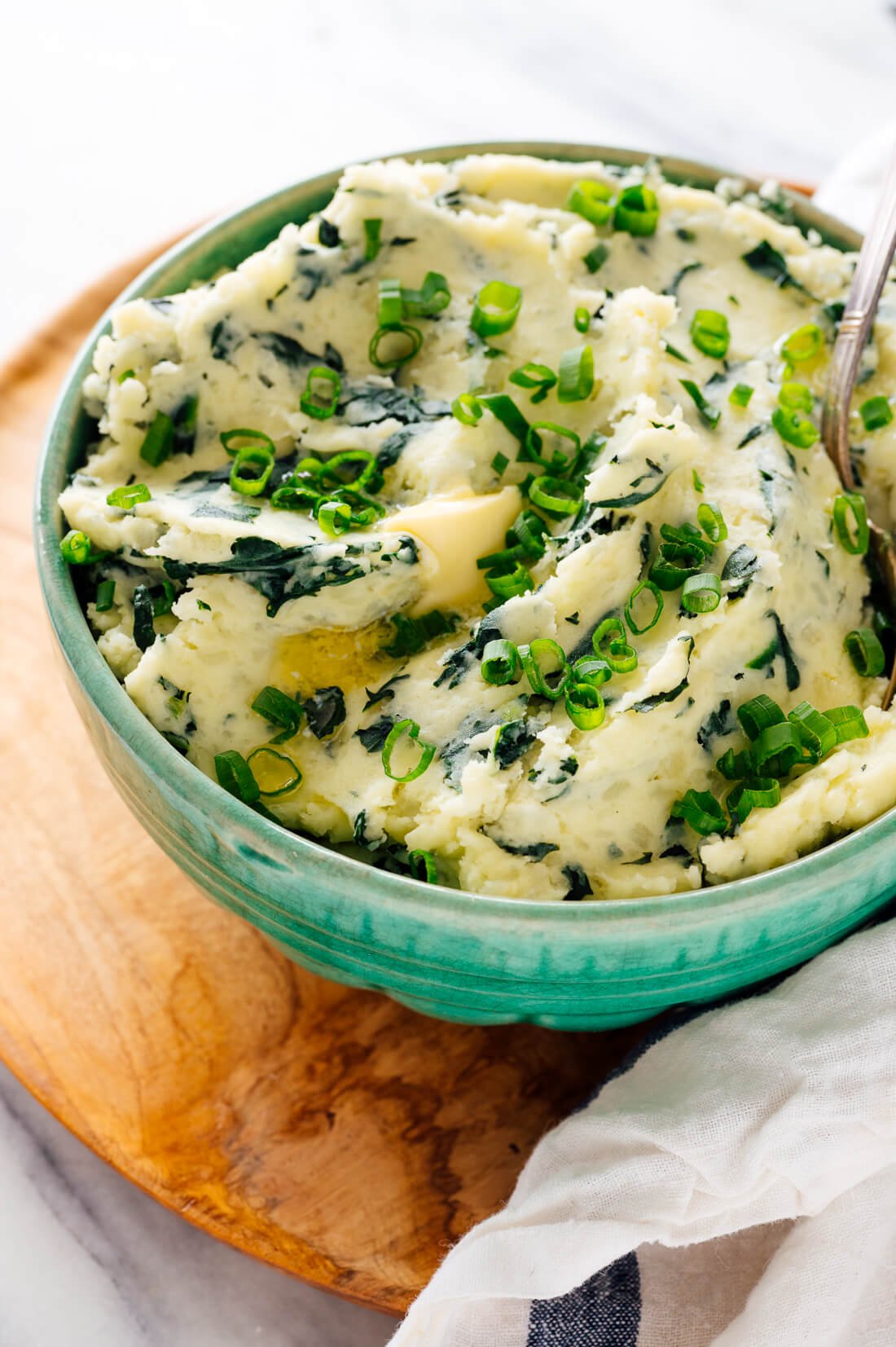
The comforting embrace of Irish cuisine often evokes images of hearty stews, rich soda bread, and, of course, the beloved potato. Among the most cherished potato dishes is colcannon, a traditional mash elevated by the inclusion of fresh greens. While cabbage is a classic choice, we're here to argue that irish colcannon with kale offers a superior, more flavorful, and arguably healthier twist that deserves a permanent spot on your table.
Unveiling the Charm of Irish Colcannon: A Kale Transformation
Colcannon is more than just mashed potatoes; it’s a creamy, buttery testament to Irish culinary ingenuity, born from a need to make simple ingredients sing. Traditionally, it combines smooth, mashed potatoes with sautéed greens, milk, and generous amounts of butter. The name itself, "colcannon," is thought to derive from the Irish term "cál ceannann," meaning white-headed cabbage, acknowledging the brassica family's long-standing role in the dish.
What Exactly is Colcannon? And Why Kale is a Game-Changer
At its heart, colcannon is a versatile side dish, adapting to whatever seasonal greens are on hand. Historically, this meant everything from cabbage to broccoli leaves, sorrel, and even seaweed in leaner times. This adaptability is precisely why kale, with its robust texture and distinctive earthy flavor, is not just a suitable substitute but an exceptional upgrade for your traditional Irish mashed potatoes.
When you prepare irish colcannon with kale, you’re not just swapping one green for another; you’re introducing a deeper, slightly more complex flavor profile that stands up beautifully to the richness of butter and potatoes. Kale holds its texture better than cabbage when cooked, offering a satisfying bite within the creamy mash, rather than dissolving into tenderness. Its subtle bitterness also provides a delightful counterpoint to the sweetness of the potatoes and the decadent butter, creating a more balanced and intriguing dish.
The Nutritional Powerhouse: Why Kale Outshines Cabbage in Colcannon
Beyond its culinary appeal, kale brings a significant nutritional advantage to your colcannon. While both cabbage and kale are healthy, kale is often celebrated as a superfood, and for good reason. It’s packed with vitamins A, K, C, and B6, as well as manganese, calcium, copper, and potassium. It’s also rich in antioxidants, which are crucial for fighting oxidative damage in the body.
Incorporating kale into your colcannon is an effortless way to boost your intake of nutrient-dense greens without compromising on flavor or comfort. It transforms a hearty, satisfying dish into one that also contributes significantly to your daily nutritional needs. This makes irish colcannon with kale an ideal choice for families looking to add more greens to their meals in a delicious, approachable way, especially for those who might typically shy away from vegetables.
Crafting Your Perfect Irish Colcannon with Kale: A Step-by-Step Guide
Creating the ultimate irish colcannon with kale is an exercise in mastering simple techniques that yield extraordinary results. The key lies in selecting the right ingredients and treating them with care.
Choosing Your Potatoes Wisely
The foundation of any great colcannon is the potato. For a fluffy, absorbent mash that truly drinks in the butter and milk, opt for starchy varieties. Russet potatoes are readily available and perform admirably, but traditional Irish varieties like Maris Piper, King Edward, or even Desiree are excellent choices if you can find them. These potatoes have lower water content and higher starch, resulting in a lighter, airier texture that's perfect for mashing.
- Preparation: Peel your chosen potatoes and cut them into large, uniform chunks. Boiling them in larger pieces prevents them from becoming waterlogged, ensuring a drier, more flavorful mash.
- Boiling: Place the potato chunks in a large pot, cover with cold, salted water, and bring to a boil. Cook until fork-tender, typically 15-20 minutes.
- Steam-Dry: This step is crucial! Drain the potatoes thoroughly in a colander and return them to the empty pot over low heat for a few minutes. This allows any residual moisture to evaporate, ensuring your mash isn't watery. Dry potatoes absorb more of the creamy goodness to come.
The Art of Mashing
Once your potatoes are perfectly tender and dry, it's time to mash. A potato ricer will give you the smoothest, lightest texture, but a traditional masher works wonderfully too. The secret here is to add the butter first.
- Butter First: Add a generous amount of good quality Irish butter (or unsalted butter) to the hot, dry potatoes and mash until it’s fully incorporated. This creates a rich emulsion that helps prevent the potatoes from becoming gluey when the liquid is added.
- Warm Milk Mixture: In a separate small saucepan, gently heat milk (or cream for extra richness) with a pinch of salt, a dash of mustard powder (a traditional touch that adds depth), and perhaps a bay leaf. Don't boil, just warm it through.
- Combine: Gradually add the warm milk mixture to the potatoes, mashing until you reach your desired consistency – creamy but not overly wet. Taste and adjust seasoning as needed.
Sautéing Your Kale to Perfection
While your potatoes are cooking, prepare your kale. Choose curly kale for its texture or Lacinato (dinosaur) kale for its slightly sweeter, milder flavor.
- Preparation: Wash the kale thoroughly and remove the tough central stems. Chop the leaves into bite-sized pieces. You can even give it a quick "massage" with a tiny bit of olive oil before cooking to tenderize it.
- Sautéing: Heat a knob of butter or a drizzle of olive oil in a large pan over medium heat. Add the chopped kale and sauté until it wilts and brightens, becoming tender but still retaining a slight chew. Avoid overcooking, as this can make it mushy and diminish its vibrant color. A touch of minced garlic or thinly sliced green onions can be added here for extra flavor.
Bringing It All Together
Once your mashed potatoes are luscious and your kale is perfectly tender, it's time for the grand finale. Gently fold the sautéed kale into the mashed potatoes. You want to distribute it evenly without overmixing, which can make the potatoes pasty. The result should be a beautiful, vibrant green-flecked mash that's both inviting and incredibly appetizing.
Serving Your Masterpiece: More Than Just a Side
Irish colcannon with kale is incredibly versatile. It's the quintessential partner for classic Irish fare like boiled ham, Irish bacon, or a rich beef stew. It truly shines alongside corned beef and cabbage, offering a creamy counterpoint to the savory meat and sharp tang of the cabbage. It’s also fantastic with lamb chops or a roasted chicken.
But don't relegate it merely to a supporting role. A generous bowl of colcannon, crowned with an extra pat of melting butter and a sprinkle of fresh chives or spring onions, can be a comforting meal in itself. Its hearty nature makes it perfect for a chilly evening or as a nourishing dish any time of year.
Colcannon vs. Champ: A Quick Irish Potato Dish Dive
For those exploring the rich tapestry of Irish potato dishes, it’s worth noting the distinction between colcannon and another beloved mash: champ. Both are comforting and creamy, but champ typically features only spring onions (scallions) folded into the mashed potatoes, often with a well of melted butter in the center for dipping. Colcannon, on the other hand, is defined by its inclusion of more substantial greens like kale, cabbage, or leeks. You can delve deeper into their delicious differences in our article: Colcannon vs. Champ: Understanding Irish Mashed Potato Classics.
Tips for Colcannon Success and Common Pitfalls
- Don't Overwork the Potatoes: Mashing too vigorously or for too long can break down the starch too much, leading to a gummy, unappetizing texture.
- Season as You Go: Salt the potato cooking water, then season the mash, and taste after adding the kale. Adjust as needed.
- Make Ahead: Colcannon can be made ahead of time! Store it in an airtight container in the fridge for up to 3 days. Reheat gently on the stovetop with a splash of milk to restore its creaminess, or in the oven covered with foil.
- Experiment with Flavor: While butter, milk, and kale are core, don't be afraid to add a hint of freshly grated nutmeg, a touch of white pepper, or even some caramelized onions for extra layers of flavor.
- Serve with a Well of Butter: For a truly authentic and decadent experience, serve individual portions with a small indentation in the center, filled with a melting pat of butter.
Conclusion:
Embracing irish colcannon with kale is an invitation to experience a traditional dish reimagined with a modern, health-conscious, and incredibly flavorful twist. The robust earthiness of kale, combined with perfectly mashed, buttery potatoes, creates a side dish (or main!) that is both deeply comforting and surprisingly vibrant. Whether you're celebrating St. Patrick's Day, preparing a hearty Sunday roast, or simply seeking a delicious way to enjoy your greens, this colcannon recipe is sure to become a cherished favorite, proving that sometimes, going beyond tradition leads to the most delicious discoveries.
